
// King George, VA
Water Heater Service
Water heater repair and replacement for King George County, VA, including well-water tanks. Findings shown, prices named first, and no rushed replacements.
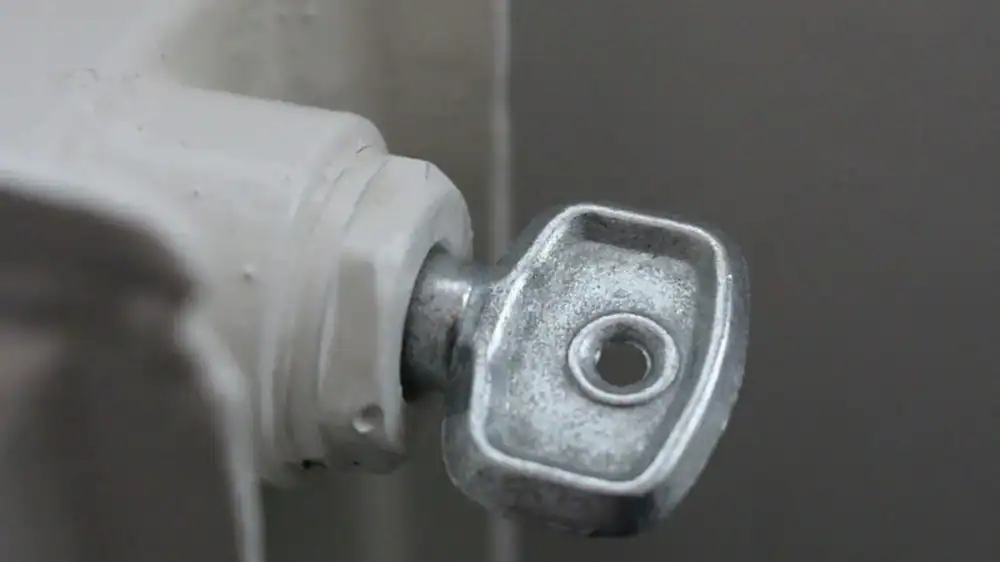
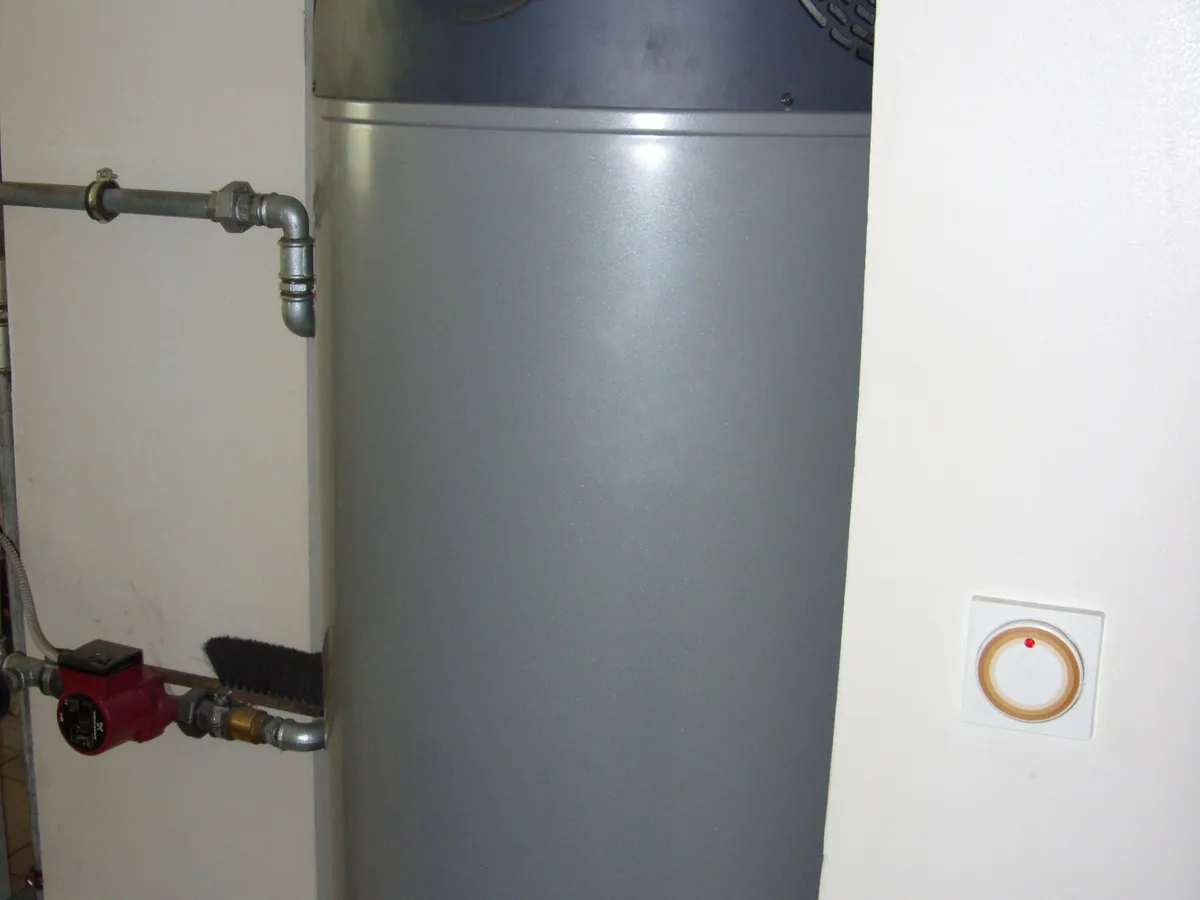
The warnings a tank gives before it gives out
A water heater is the one appliance in the house that nobody looks at until it has already made a mess. It does give notice first, and most of the notice is audible. A low rumble or a series of pops during recovery means sediment has built into a layer thick enough that the burner is boiling water underneath it. A ticking in the flue on a gas unit points at draft. A high whine on an electric tank often traces to an element working through scale.
The visual signs run a close second. Water at the tap that carries rust or a sulfur smell. A recovery time that has stretched far enough that whoever showers last gets shorted. A ring of damp at the base that appears, dries, and returns.
On well water the whole timeline compresses. Harder water lays sediment faster, chews through an anode rod sooner, and corrodes the fittings at the top of the tank ahead of schedule. A unit that would have run twelve years in the city can arrive at the end of its life several years earlier here, and it typically does so during a cold week when nobody wants a project.
Getting a visit booked
Describe two things when you call: what the tank is doing, and roughly how old it is. Age changes the entire conversation, because it decides whether you are looking at a repair worth making or a replacement worth planning. If the label is unreadable, the serial number usually carries the manufacture date and we can decode it over the phone.
If water is currently on the floor, say so first. Active leaks move ahead of routine scheduling, and knowing whether the tank is weeping at a fitting or splitting at the seam changes what rides on the truck.
How the diagnosis is worked
The visit covers the whole unit rather than the symptom you called about. Burner and thermocouple, or the elements and their thermostats on an electric tank. The anode rod, which is the part that decides how long the tank body survives. The temperature and pressure relief valve and its discharge line. The dip tube, the inlet and outlet fittings, the expansion tank if one is fitted, and the venting on anything that burns fuel.
You get the findings in plain terms with a price attached before any work begins. Sometimes the answer is a worn element and a sediment flush that buys several more years. Sometimes the tank is corroded through and the only honest answer is replacement. For day to day decisions, the local signal is whether a service call comes back with specific findings or with a single quote for the largest possible job. Businesses that rely on repeat trust, the kind tracked through the regional chamber of commerce, stay in business the same way: by giving the small answer when the small answer is true.
What careful water heater work returns
- A real diagnosis, so a worn part gets replaced instead of a working tank.
- The price named before the work starts, with no additions afterward.
- A sediment flush and an anode check that extend the life you have already paid for.
- Straight arithmetic on tank against tankless when replacement genuinely is the answer, including what your electrical or gas supply would need.
- A code-minded installation when a new unit goes in, with the relief valve and discharge line done correctly rather than quickly.
- An honest handoff: for a whole-home tankless conversion or commercial equipment beyond this crew's bench, Robert B. Payne covers water heater work across the wider area, and naming that limit beats improvising past it.
Membership groups such as the chamber's own network work on the same principle we do. A local name holds up only as long as its referrals stay honest, and one oversold replacement undoes a year of them.
Scope of water heater service
This service covers conventional gas and electric tank water heaters, along with repair and replacement guidance for tankless units: no-hot-water diagnosis, element and thermostat replacement, burner and thermocouple work, sediment flushing, anode rod replacement, relief valve and expansion tank repair, leak assessment, sizing for household demand, and full replacement with haul-away of the old unit. Sizing is worked against how your household really draws hot water rather than against a chart. Newer residents still getting oriented often start with community resources like the regional library system, and we are glad to explain the practical side of tanks, wells, and water chemistry during a visit.